

Table of Contents
- Why Eco-Friendly Smoking Wood Alternatives Matter
- Quick Comparison: 5 Sustainable Smoking Wood Options
- 1. Maine Yellow Alder: Sustainably Sourced Smoking Wood for Seafood
- 2. Maine Wild Apple: Renewable Fruitwood with Sweet Smoke Flavor
- 3. Maine Beechnut: Hardwood Alternative for Bold, Nutty Smoke
- 4. Maine Black Cherry and Sugar Maple: Fruit and Hardwood Blends
- 5. Maine Red Oak: Eco-Friendly Hardwood for Poultry and Fish
- Wood Chips vs. Wood Chunks for Smoking: Format and Performance
- Frequently Asked Questions
Last Updated: October 16, 2026
Why Eco-Friendly Smoking Wood Alternatives Matter
Choosing 5 eco friendly alternatives to traditional smoking wood isn't just better for the environment, it directly impacts the quality of your grilled food and your business's bottom line. At Flame Grilling Products, we've spent over two decades sourcing sustainably harvested smoking woods. When you move away from indiscriminately harvested hardwood or chemically treated softwood, you gain cleaner smoke, more consistent flavor, and the confidence that your supply chain aligns with responsible forestry practices.
The shift toward sustainable and responsibly sourced materials reflects a broader market trend. Restaurants, pitmasters, and home grillers increasingly demand wood that burns cleanly, delivers predictable heat output, and comes from renewable material sources. This matters because traditional smoking wood sourcing often depletes local forests or relies on wood treated with preservatives that release harmful emissions and pollution when burned. Eco-friendly alternatives eliminate that risk while delivering superior smoke quality and food-safe results.
Below, we'll show you exactly how 5 eco friendly alternatives to traditional smoking wood compare, each with distinct flavor profiles, burn rates, and ideal use cases. Whether you're stocking a restaurant kitchen, running a catering operation, or building an online grilling product catalog, understanding these alternatives gives you a competitive edge.
Quick Comparison: 5 Sustainable Smoking Wood Options
| Wood Type | Best For | Flavor Profile | Burn Rate | Sourcing |
|---|---|---|---|---|
| Maine Yellow Alder | Seafood (haddock, scallops, halibut) | Winterberry, mild | Moderate | Sustainably harvested, family-farmed |
| Maine Wild Apple | Pork, beef, game | Sweet, fruity | Slow | Fresh-pruned from farmsteads |
| Maine Beechnut | Beef, tuna, sausage | Nutty, bold | Moderate-slow | Responsibly sourced hardwood |
| Maine Black Cherry & Sugar Maple | Beef, poultry | Almond-scented (cherry), sweet (maple) | Moderate | Family-farmed, renewable material |
| Maine Red Oak | Poultry, fish, cheese | Nutty with vanilla hint | Moderate | Dense hardwood, short-season growth |
1. Maine Yellow Alder: Sustainably Sourced Smoking Wood for Seafood
Maine Yellow Alder is the gold standard for smoking seafood. Its distinct winterberry smoke flavor pairs perfectly with haddock, scallops, halibut, mussels, and other delicate proteins, the smoke complements rather than overpowers the natural taste of the catch.

What makes alder particularly eco-friendly is its growth pattern. Yellow alder thrives in the northern and eastern zones where short growing seasons intensify the wood's density and smoke characteristics. Flame Grilling Products sources our alder from family-farmed wood lots within a 30-mile radius, ensuring fresh-cut wood delivered daily with minimal environmental impact.
The practical advantage: alder chips and chunks do not require pre-soaking unless you're infusing them with a special flavor (like brandy or wine). The smoke itself is the flavor, not the steam. Place alder chips in a smoker box directly on flame deflectors or the grilling surface. For charcoal grills, toss a handful directly onto hot coals just before adding your seafood. The wintergreen undertone creates a food-safe, clean-burning experience.
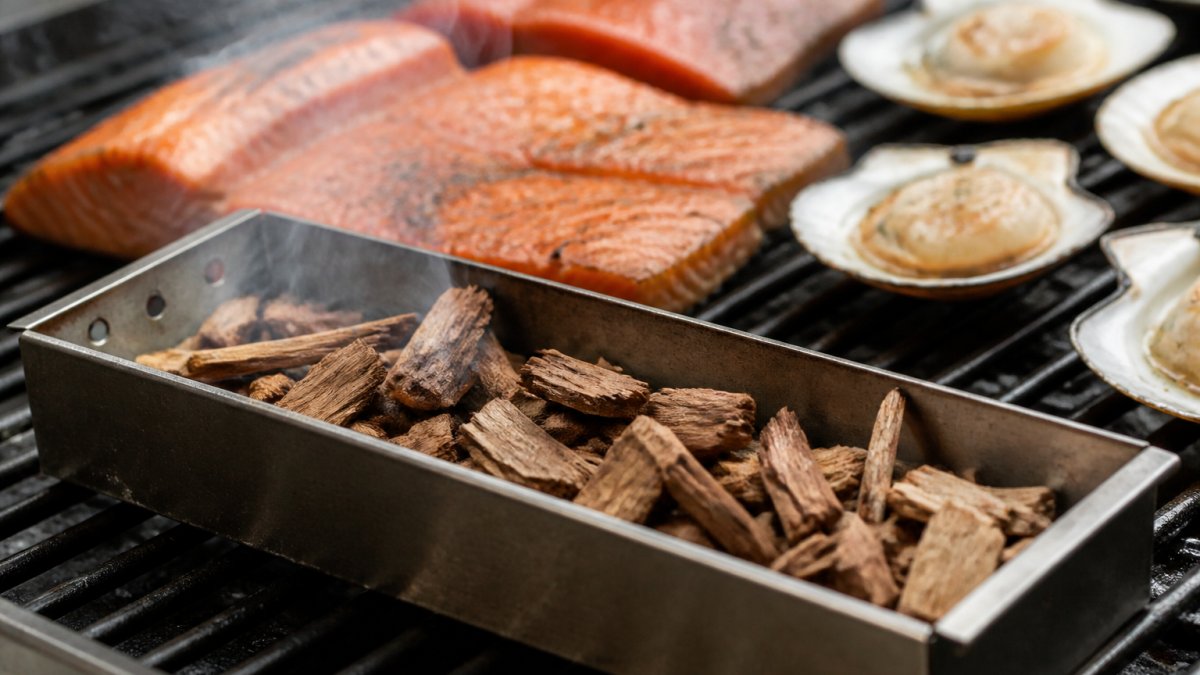
Bulk Maine Yellow Alder Grilling Chips start at $84.99 for fresh-cut chips in 10lb and 33lb boxes, with free shipping. For longer smoking sessions or when you need larger, slower-burning pieces, Bulk Maine Yellow Alder Grilling Chunks are available at $93.99.
2. Maine Wild Apple: Renewable Fruitwood with Sweet Smoke Flavor
Maine Wild Apple wood delivers a sweet fruity smoke that complements pork, beef, and game without overwhelming the meat's natural character. What sets this alternative apart is its sourcing model: Flame Grilling Products receives fresh-pruned apple wood almost daily from farmsteads across Maine that are constantly pruning and replacing their apple trees. This means the wood is genuinely fresh-dried and represents a renewable material stream, farmers are actively managing their orchards, and we're repurposing the pruned branches that would otherwise be discarded.

Fruitwood smoking creates a subtly sweet aroma that builds slowly over time, making it ideal for long, low-heat smoking sessions on propane or electric grills. Unlike quick charcoal grilling, apple wood chunks work best when placed directly on the grilling surface at low heat. When the chunks begin to smoke, you can begin grilling or smoking. This approach turns a standard propane grill into a bonafide smoker.
The flavor advantage: apple wood's natural sugars create a balanced smoke that enhances rather than masks the meat's flavor profile.
Bulk Maine Wild Apple Grilling Chunks are priced at $35.99 for 15lb and 45lb boxes with free shipping. For faster-burning chips suitable for shorter grilling sessions, Bulk Maine Wild Apple Grilling Chips start at $29.99 in 10lb and 33lb boxes.
3. Maine Beechnut: Hardwood Alternative for Bold, Nutty Smoke
Beechnut represents a harder, more aggressive smoking wood, ideal for grilling beef, tuna steaks, bratwurst, and sausage. Its bold nutty smoke flavor is stronger than hickory but doesn't overpower the meat. Beechnut is only found in the northern and eastern zones of the United States, where short growing seasons intensify the smoke characteristics of one of the forest's hardest trees.

The sustainability angle is significant: beechnut is a native hardwood that regenerates naturally in managed forestlands. The "beechwood aged" phrase common in beer production reflects beechnut's unique taste profile, it's a wood with proven culinary applications across multiple industries.
Beechnut chips should not be soaked unless you want to add a special steam flavor. Beer, in particular, makes an excellent soaking liquid for beechnut, adding a complementary layer to beef or sausage grilling. The wood burns hot and steady, providing consistent heat output across longer cooking sessions.
Bulk Maine Beechnut Grilling Chips are available at $29.99 in 10lb and 33lb boxes with free ground shipping.
4. Maine Black Cherry and Sugar Maple: Fruit and Hardwood Blends
Maine Black Cherry and Sugar Maple offer two distinct flavor profiles that work beautifully for different proteins, and both represent sustainable, renewable materials harvested from family-farmed wood lots.
Black Cherry delivers a unique almond-scented smoke that's the preferred choice for beef grilling and smoking events. The aroma is distinctive and memorable.
Do not soak black cherry chips unless you want a unique flavor from the steam before the chips begin to smoke. Cherry bourbon is a classic pairing.
Bulk Maine Yellow Alder Grilling Chips →
Sugar Maple comes from the same trees that yield maple syrup. The smoke carries a hint of sweetness that makes it perfect for pork or poultry. All of Flame Grilling Products's sugar maple comes from family farmsteads that sustain their maple lots by weeding out small saplings, those saplings become wood chips. This represents a genuinely renewable material stream.
For propane or electric grills, place sugar maple chips in a smoker box or aluminum pie plate directly on the cooking element. For charcoal grilling, toss a handful directly onto hot coals. The smoke is noticeably sweet.
Bulk Maine Black Cherry Grilling Chips are $29.99 in 10lb and 33lb boxes. Bulk Maine Sugar Maple Grilling Chips are also $29.99 in the same sizes, with free ground shipping on both.
5. Maine Red Oak: Eco-Friendly Hardwood for Poultry and Fish
Red oak represents a denser hardwood alternative with a distinctive flavor profile: nutty smoke with a hint of vanilla. This combination makes it ideal for grilling white fish, poultry, and even cheese. Many chefs use it for lightly smoking fruit-based desserts. The vanilla undertone adds sophistication without aggression.
Maine's native red oak benefits from the state's short growing season, which intensifies the wood's density compared to the more common white oak found in other regions. This density translates directly to more flavorful smoke, the wood burns longer and hotter than lower-density alternatives. The acorns of red oak are a natural food source for local wildlife.
Application is simple: place oak chips in a smoker box or aluminum pie plate directly on the heating element. When the chips begin to smoke, add your entrée, cheese, or dessert. Keep a water spritzer bottle handy to control flare-ups with delicate meats, cheeses, and desserts. For charcoal grills, toss a handful directly onto hot coals.
Bulk Maine Red Oak Grilling Chips are priced at $29.99 in 10lb and 33lb boxes with free ground shipping.
Wood Chips vs. Wood Chunks for Smoking: Format and Performance
The choice between wood chips and wood chunks fundamentally affects your smoking experience, and understanding the trade-offs is essential for consistent results.
Wood chips are smaller, faster-burning pieces. They ignite quickly, produce smoke almost immediately, and are ideal for quick grilling sessions on propane or electric grills. Chips work best when placed in a smoker box directly on flame deflectors or the grilling surface.
Wood chunks are larger, slower-burning pieces. They provide sustained smoke over longer periods, making them ideal for extended smoking sessions. Chunks work exceptionally well on propane grills where you want to maintain steady smoke without constantly replenishing the fuel. They also perform better in traditional smokers where low-and-slow cooking is the goal.
The practical consideration: chips require more frequent replenishment during long cooks, while chunks reduce the need to add fresh wood. For restaurants and catering operations running high-volume smoking operations, chunks represent more predictable results. For home grillers doing quick meals, chips offer simplicity and immediate gratification.
Moisture content matters for both formats. Fresh-cut wood from Flame Grilling Products arrives with optimal moisture levels, the wood is dried to the right specification so it produces clean smoke rather than excessive steam. Pre-soaking is optional and depends on your flavor goals.
Choosing sustainable smoking wood alternatives transforms your grilling operation from a commodity-driven business into one with a genuine competitive advantage. Businesses selling smoking wood through our program report stronger customer loyalty because they're offering genuinely fresh, eco-friendly alternatives that deliver measurable results. Learn more about sustainable forestry practices for wood sourcing and how responsible harvesting supports both your business and the environment.
Frequently Asked Questions
What are the most eco-friendly alternatives to traditional smoking wood?
The most eco-friendly smoking wood alternatives include sustainably sourced hardwoods like Maine Yellow Alder, Wild Apple, Beechnut, Black Cherry, Sugar Maple, and Red Oak. These woods come from responsibly managed forests and family-owned operations that harvest locally, reducing transportation emissions. Fresh-cut wood from certified sustainable sources burns cleaner and produces better flavor than aged or chemically treated materials. Avoid treated lumber, painted wood, or unknown sources that may contain harmful substances.
Can you smoke food with wood pellets instead of wood chunks?
Yes, eco-friendly wood pellets are a viable alternative to traditional chunks or chips. Pellets burn more consistently and produce less ash than loose chips, making them efficient for long smoking sessions. However, pellets require a pellet smoker or a specialized pellet tube smoker to work on charcoal or gas grills. Wood chunks offer more flexibility across grill types and provide visible smoke, which many pitmasters prefer for controlling flavor intensity. Both formats work; the choice depends on your equipment and smoking style.
How can you tell whether smoking wood is sustainably sourced?
Look for suppliers who disclose their harvesting practices, such as family-owned operations that manage their own woodlots or source from certified sustainable forests. Ask about harvest location, age of wood, and whether it's fresh-cut or aged. Reputable suppliers provide transparency about moisture content and storage methods. Avoid generic or unknown sources. Flame Grilling Products sources wood from family farmsteads within a 30-mile radius of Maine, delivering fresh-cut wood daily to ensure quality and sustainability.
What is the difference between wood chips and wood chunks for smoking?
Wood chips are smaller pieces that ignite quickly, producing smoke in 5-10 minutes, making them ideal for short grilling sessions on gas or charcoal grills. Wood chunks are larger and burn longer and slower, providing 45 minutes to several hours of smoke, perfect for low-and-slow smoking. Chunks work best on charcoal or in smoker boxes on gas grills. Chips suit quick sears and flavor bursts. Fresh-cut chips and chunks from sustainable sources burn cleaner and deliver better aroma than aged or treated alternatives.
What smoking wood is safe for food preparation?
Only use untreated, food-safe hardwoods like apple, alder, oak, cherry, maple, and beechnut. Never use treated lumber, plywood, pressure-treated wood, or softwoods like pine or spruce, which produce toxic resins and excessive creosote. Avoid wood from unknown sources or painted materials. Fruitwoods are particularly safe and impart pleasant flavors to meat and fish. Fresh-cut wood from certified suppliers ensures no chemical exposure. Always verify your wood source and avoid anything not explicitly labeled as food-safe for smoking.