
Last Updated: November 19, 2026
Quick Summary
Retailers looking for fuel wood alternatives should compare hardwood species, product formats, moisture specifications and delivered per-pound cost, not just box price. Options range from hickory and pecan to northern mesquite, sold as chips, chunks or logs. Dropship programs can let a store sell these products without holding inventory.
- Hickory suits pork and beef, pecan suits poultry and fish, and mesquite is the most intense.
- Chips burn fast for smoker boxes; chunks burn longer for low-and-slow cooks.
- Ask suppliers for a target moisture range, tested tolerance and sampling frequency per batch.
- Compare cost per sellable pound including freight-in, shrink of 1-3% and handling, not box price.
- Ask for minimum order quantities, delivered pricing, payment terms and whether prices are locked.
Table of Contents
- Hardwood Species Compared: Oak, Hickory, Cherry, Pecan and Mesquite
- Bulk Smoking Wood Formats: Chips, Chunks and Logs
- Kiln-Dried Cooking Wood: Moisture, Quality and Specifications
- Wholesale Economics: Pricing, Margins and Cost per Unit
- Grilling Products Drop Ship: How the Model Works for Retailers
- Choosing the Right Fuel Wood Partner for Your Store
- Frequently Asked Questions
Retail buyers who sell grilling and smoking wood have more supply options than they did a decade ago, and the search for southern fuel wood alternatives for retailers is now a practical buying decision. Flame Grilling Products, a family-owned business in Maine that has supplied fresh wood since 2001, works with stores that want a reliable dropship partner. The U.S. fuelwood market was estimated at USD 3.62 billion in 2024 and is projected to reach USD 4.50 billion by 2030, growing at a 3.7% compound annual growth rate from 2025 to 2030 (Grand View Research U.S. fuelwood market report). Growth like that draws in new suppliers and new product formats.
Delivered wood-fuel prices in the U.S. South have also moved considerably. ResourceWise tracks five-year price trends and reports movements of up to USD 6.93 per green ton, or 45.7%, alongside declines of USD 2.77 per green ton (five-year U.S. South delivered wood fuel price trends). Price swings like these make single-source dependence a real risk for a store's margins, which is why many retailers now compare fuel wood alternatives before committing to one supplier.
For most retailers, the core question is not whether a supplier is southern, but whether it can deliver consistent product at a predictable cost. The sections below compare the options, from hardwood species and product formats to wholesale economics and the dropship model.
Hardwood Species Compared: Oak, Hickory, Cherry, Pecan and Mesquite
Each hardwood gives a different smoke, and your product mix should reflect what your customers cook. Hickory is the most familiar choice, with a strong, bacon-like smoke that suits pork and beef. Pecan is milder and sweeter, and it works well on poultry and fish. Mesquite is the most intense of the five, so it is best used in shorter cooks or blended with a milder wood.
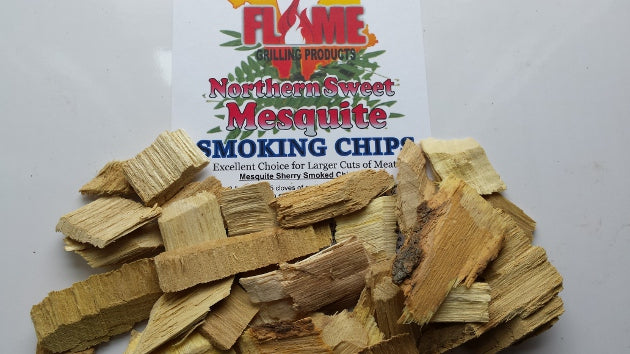
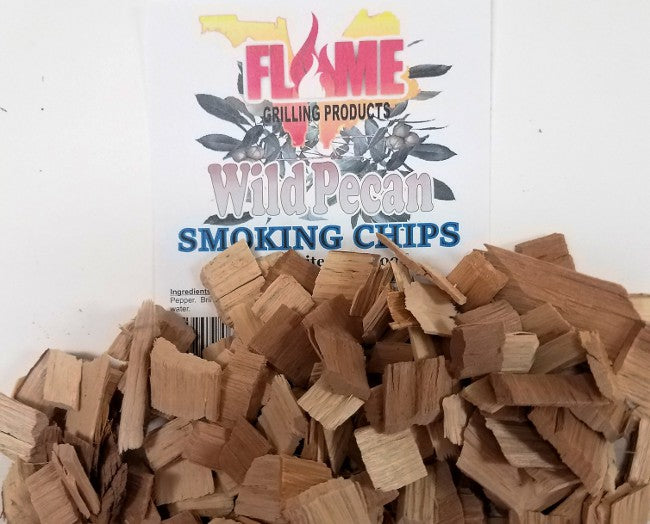
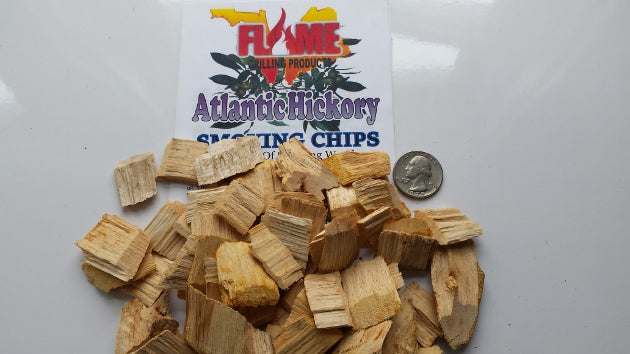
Our Bulk Maine Northern Mesquite Grilling Chips ($29.99) come from a slower-growing northern mesquite, which produces tighter growth rings and a sweeter, milder smoke than the southern type. The chips are packed in 10 lb or 33 lb boxes with free ground shipping anywhere in the USA. For a milder option, the Bulk Maine Northern Pecan Grilling Chips ($29.99) suit beef, pork and chicken, and the Bulk Maine Atlantic Hickory Grilling Chips ($29.99) give a versatile nutty flavor for everyday grilling.
Bulk Smoking Wood Formats: Chips, Chunks and Logs
Chips burn fast and suit smoker boxes and quick grills. Chunks burn longer and work better for low-and-slow cooks like brisket and ribs. Our northern mesquite chunks ($35.99) come in 15 lb and 45 lb boxes, and our northern pecan chunks ($35.99) are uniformly cut to about 3 by 3 inches.
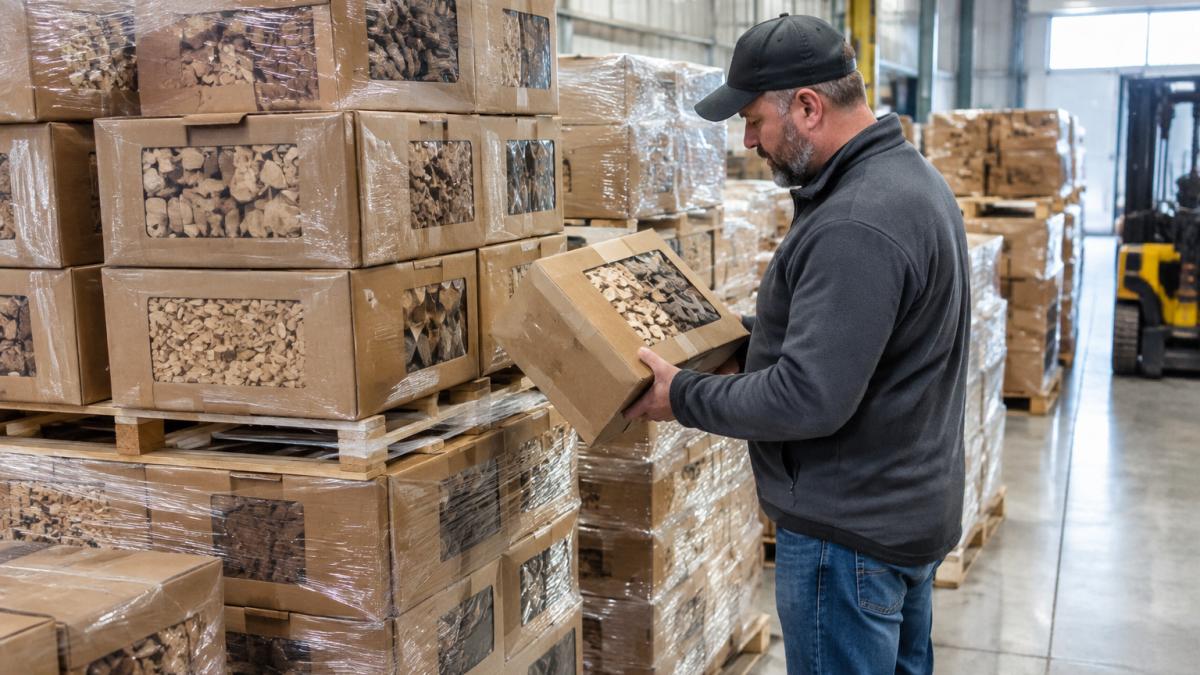
If you are weighing chips against chunks for your shelves, a short primer on smoking wood chunks vs chips explains the burn-time difference in more detail.
Kiln-Dried Cooking Wood: Moisture, Quality and Specifications
Moisture content affects how a retailer's customers experience the product.
Why moisture matters at the shelf. Wood that is too wet smolders, produces bitter, acrid smoke, and frustrates the customer who bought it for a weekend cook. Wood that is too dry can burn hot and fast, which shortens cook time and can overshoot target temperatures. Ask each supplier for the target moisture range and the tested tolerance, not just the word 'kiln-dried.'
How kiln-drying is verified. A supplier should be able to tell you the target moisture, the measurement method (oven-dry or meter reading), and the sampling frequency, per batch, per pallet, or per load. A common pattern is batch-level testing with a certificate or spec sheet available on request. If a supplier cannot produce a moisture number for a specific lot, treat the 'kiln-dried' claim as marketing rather than a specification.
The specification sheet to request. Build a one-page comparison across candidate suppliers covering:
- Species and origin (state or region, and whether wood is sourced from family lots or mixed supply)
- Moisture target and tested tolerance
- Piece dimensions and cut consistency (for chunks, a nominal size such as 3 by 3 inches with a stated tolerance)
- Packaging: bag or box weight, case pack, pallet quantity, and whether packaging is shelf-ready
- Labeling: barcodes, net weight declaration, species name, and any cooking or safety claims
- Storage requirements: indoor versus covered outdoor, and expected shelf life
Quality consistency is a merchandising issue.
Sourcing and documentation. Retailers often ask about wood origin. Ask any supplier where its wood was harvested and how it is documented.
Wholesale Economics: Pricing, Margins and Cost per Unit
Retailers evaluating a southern fuel wood alternative need a margin model, not a price list.
Start with landed cost per sellable pound, not box price. The published one-time prices on the Flame Grilling Products listings are $29.99 for a 10 lb or 33 lb box of grilling chips and $35.99 for a chunk box. Divide price by net weight to get a raw per-pound cost, then add four things the box price hides:
- Freight-in. Free ground shipping on dropship orders is a customer-facing benefit, but on wholesale pallets you will usually pay inbound freight. Ask for a delivered price to your dock, not an FOB price, so the freight is already in the number.
- Shrink and breakage. Chips settle and bags scuff in transit. A common pattern is 1-3% loss on bagged wood; build that into your cost per sellable pound rather than discovering it at inventory count.
- Handling and slotting. Pallet breakdown, shelf stocking, and backroom space all carry a labor cost. A 33 lb box that needs two people to move costs more to merchandise than a 10 lb bag.
- Payment terms and cash cycle. Net 30 versus prepay changes your working capital. A supplier that extends terms is effectively financing your inventory; one that requires prepay ties up cash you could put into assortment.
A simple margin worksheet: take delivered cost per pound, multiply by the net weight of the retail unit you plan to sell, add your per-unit handling cost, then divide by the shelf price you intend to set. The result is gross margin per unit. Compare that number across suppliers, not the box price, because a cheaper box with higher freight or more shrink can lose to a higher-priced box with better terms.
Watch out: a low per-pound cost on a large box can look like the best deal until you price the shelf space it consumes. A 45 lb chunk box may carry a better per-pound cost than a 15 lb box but turn over far more slowly, which raises your cost per week of occupied shelf.
Ask every candidate supplier for these numbers in writing before you commit: minimum order quantity (by SKU and by pallet), case pack and pallet quantity, delivered price to your zip code, payment terms, reorder lead time, and whether price is locked for a season or floats with the wood-fuel market. The delivered wood-fuel market in the U.S. South has moved by as much as USD 6.93 per green ton, or 45.7%, over five-year windows, so a supplier that will not discuss price protection is asking you to absorb that volatility (five-year U.S. South delivered wood fuel price trends).
Finally, model the assortment, not the single SKU. Retailers typically carry one chip SKU, one chunk SKU, and one log or split SKU per species to keep the set shoppable. Run the margin worksheet on the whole set and check that the blended margin covers your category overhead. A supplier that helps you build that model, rather than quoting a single box, is the one worth a second call.
The article's published prices and the cost factors a retailer should check before committing to a supplier are summarised below.
| Item | Value | Note |
|---|---|---|
| Grilling chips box | $29.99 | 10 lb or 33 lb box |
| Chunk box | $35.99 | 15 lb or 45 lb box |
| Freight-in | Varies | Ask for delivered price to dock |
| Shrink on bagged wood | 1-3% | Build into cost per sellable pound |
| Delivered price swing | Up to 45.7% | Over five-year windows |
Grilling Products Drop Ship: How the Model Works for Retailers
Dropshipping lets a store sell grilling products without holding inventory or arranging shipping. Compare BBQ dropshipping suppliers with no minimum order quantity to see which vendors accept small or no minimum orders. Flame Grilling Products runs a drop ship program for businesses, and it is the largest dropship vendor for grilling and smoking woods in the USA. Confirm packaging, labeling and order-handling terms in writing before you launch.
Choosing the Right Fuel Wood Partner for Your Store
Evaluate partners on five points: species range, product formats, moisture and specification transparency, per-pound pricing, and dropship terms. A supplier that answers those questions with numbers is easier to rely on than one that answers with adjectives.
Flame Grilling Products has been a family-owned business since 2001 and sources sustainably from family wood lots within a 30-mile radius. If you want to add hardwood smoking products without managing inventory, contact us to discuss a drop ship arrangement that fits your store.
Frequently Asked Questions
What should retailers look for in a cooking-wood supplier?
Look for consistent species labeling, documented moisture content, clear packaging specifications, and a supplier that states its sourcing region. Ask whether wood is kiln-dried or seasoned, how it is cut, and what box sizes are offered, such as 10-pound or 33-pound chip boxes and 15-pound or 45-pound chunk boxes.
Is kiln-dried wood better for grilling and smoking?
Consistency matters most for retailers, because customers who buy the same product expect the same results each time. Ask any supplier for its moisture specification before comparing prices.
Can retailers sell grilling wood without holding inventory?
Yes. Under a drop ship program, the retailer lists products on its site or in its store catalog, takes the order, and the vendor ships directly to the end customer. Flame Grilling Products offers this model for grilling and smoking woods.
What types of wood are best for smoking food?
Hickory has a strong, nutty flavor suited to pork and beef, while mesquite gives a bold smoke that works well on beef and game. Pecan is a milder, sweeter wood. Northern mesquite from Flame Grilling Products is grown more slowly, producing a sweeter smoke than the southern type.
