
Quick Summary
White label grilling accessories are standard products made by a manufacturer or dropship supplier and sold under a brand's own name, with the brand adding its logo, packaging and storefront. White label launches a proven catalog item in weeks, while private label is developed to the brand's specifications and takes longer.
- Start by listing target categories, retail price points and first-order volume before searching for suppliers.
- Run every candidate through a five-part screen covering manufacturing, quality, certifications, responsiveness and references.
- Compare finalists on total landed cost per unit, lead time, minimum order quantity and branding setup cost.
- Laser etching is more durable for wood and outdoor tools, while pad printing suits colored, multi-color logos.
- Compare total landed cost rather than unit price alone, since setup and packaging fees can change the real cost.
Table of Contents
- What White Label Grilling Accessories Are and How They Differ From Private Label
- Types of Grilling and BBQ Accessories Brands Commonly Sell
- How to Find White Label BBQ Accessories Suppliers
- Custom Branded BBQ Tools: Logo Methods, Packaging and Materials
- Minimum Order Quantities, Lead Times and Pricing Models
- Supplier Due Diligence, Compliance and Product Testing
- Ordering Your First White Label Grilling Line With Flame Grilling Products
- Frequently Asked Questions
What White Label Grilling Accessories Are and How They Differ From Private Label
Last Updated: November 22, 2026
White label grilling accessories are products made by a manufacturer or dropship supplier that a brand then sells under its own name. The supplier designs, sources and produces the item, and the brand adds its logo, packaging and storefront.
The terms are often used interchangeably but describe different levels of involvement. A white label product is a standard item from the supplier's catalog, rebranded by the seller.
For a brand owner, the difference comes down to speed and control. White label launches a proven product in weeks; private label takes longer but yields a more distinct product.
Types of Grilling and BBQ Accessories Brands Commonly Sell
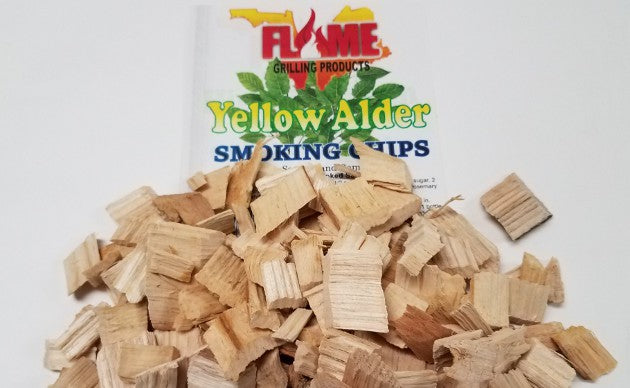
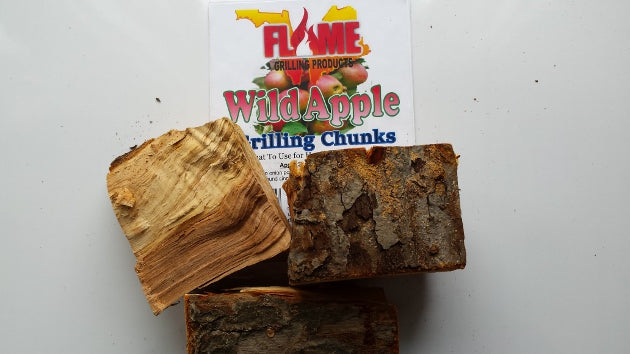
Grilling accessories cover many categories, and each one suits a different customer. Our Bulk Maine Yellow Alder Grilling Chips are priced at $84.99 and suit seafood smoking in particular. Our Bulk Maine Wild Apple Grilling Chunks are ideal for long propane grilling or smoking, and are offered in 15 lb and 45 lb boxes at $35.99. If you are deciding between formats, a beginner's comparison of smoking wood chunks and chips can help you choose what to stock first.
Cedar planks are another strong category for brands selling to salmon lovers. Our White Cedar OVAL Grilling Planks (3x5 70 Count) are priced at $74.99, while our Northern White Cedar Rectangle Grilling Planks (6"x18" 30 Count) are priced at $118.99 for the 30-count pack.
Beyond wood, brands commonly add tools, seasonings, rubs and gift sets. Start with the category your customers already buy, then expand into adjacent products once you have sales data.
How to Find White Label BBQ Accessories Suppliers
Start by defining exactly what you want to sell. A supplier strong in wood products may not be the right partner for tools or gift sets, so list your target categories, retail price points and expected first-order volume before searching.
If you are looking at dropship options, check whether the supplier sells direct to businesses without a minimum order commitment. Our BBQ Dropshipping Suppliers With No MOQ: 2026 Guide covers how to compare these models, which is useful if you are testing a new category before committing inventory.
A Supplier Evaluation Checklist
Most sourcing practitioners run every candidate through the same five-part screen before requesting a quote.
1. Manufacturing capability. Ask what the supplier makes versus resells.
2. Quality controls. Ask how incoming material is inspected, how finished goods are sampled, and what defect rate they accept.
3. Certifications and test documentation. For anything that touches food, ask for material safety documentation and any test reports the supplier already holds.
4. Communication and responsiveness. Send the same three questions to every candidate and time the response.
5. References. Ask for two or three brands they currently produce for, ideally in a similar category and order size.
Red Flags That Should End the Conversation
A few signals are disqualifying rather than negotiable. A supplier who will not share product specifications before you order is asking you to buy blind. One who quotes a lead time without asking about customization is guessing. One who cannot name the material grade or species in writing is not controlling their inputs. And one who pressures you to skip sampling to hit a price is trading your brand risk for their margin.
How to Compare Two Finalists
Once you have two or three qualified candidates, compare them on four numbers: total landed cost per unit at your expected volume, quoted lead time in business days, minimum order quantity, and branding setup cost. Ask each finalist for one sample with your logo on the actual material you plan to sell, and evaluate logo durability, finish consistency and packaging condition on arrival. A supplier who wins on price but loses on sample quality is not cheaper once returns and reorders are counted.
Custom Branded BBQ Tools: Logo Methods, Packaging and Materials
Custom branding turns a generic tool into a product your customers recognize. The most common methods are laser etching, pad printing and engraving, each affecting cost, durability and how the logo ages. Materials matter too: wood, stainless steel and bamboo each take a logo differently and suit different price points.
Packaging is often the last step and one of the most visible to customers. Gift boxes, sleeves and printed inserts help a product feel premium, but they also add cost and lead time. Decide on your packaging early so it does not delay launch.
Laser Etching vs. Pad Printing: Pros and Cons
Laser etching burns the logo into the surface of the product, so it does not fade or rub off with use. It works well on wood and on coated metal tools, and it produces a clean, permanent mark.
Pad printing transfers ink onto the surface using a silicone pad. It handles colored logos and multi-color designs well and is typically faster and less expensive for larger runs.
For wood products and tools customers will use outdoors, laser etching is usually the more durable choice. For colored, multi-color logos on promotional items, pad printing often makes more sense. Ask your supplier to show samples on the actual material you plan to sell.
Minimum Order Quantities, Lead Times and Pricing Models
MOQs vary by supplier and product, but the variation follows a pattern. The Flame Grilling Products dropship program lets businesses sell premium grilling products without managing inventory or shipping logistics.
What Drives Minimum Order Quantity
Four factors usually set the floor: the supplier's own material purchase minimum (often a full pallet or case from their upstream vendor); branding setup cost, since a laser file or print plate is created once regardless of run size; packaging, because custom-printed boxes and inserts have their own minimums; and capacity scheduling, since a small run still occupies a production slot. When you get a quote, ask which of these four is setting your minimum, that tells you which lever to pull if the number is too high.
How Lead Times Break Down
Lead times depend on stock status, customization and shipping origin. Break the quote into its parts rather than accepting a single number: artwork approval, material lead time, production run time, branding time, packaging time and transit. Standard catalog items move faster than custom-branded runs. Add a buffer for artwork revisions, since a logo needing two rounds of adjustment can add a week before production starts, and build the estimate into your launch plan.
The Three Pricing Models
- Per-unit at volume tiers rewards larger orders with a lower unit price. It is the easiest to compare across suppliers, but it hides setup costs that appear later.
- Flat branding setup fee plus per-unit product cost separates the one-time cost from the recurring cost. This is the clearest model for planning a first run, because you can see exactly what the logo costs you once and what each unit costs after that.
- Combined price bundles product, branding and packaging into one number. It is simple to budget but hard to compare, because you cannot tell which component is driving the price.
When you evaluate supplier quotes, compare total landed cost rather than unit price alone. Our Private Label Program is priced at $500.00.
A Simple Cost and Timing Model
To plan a first order, estimate four numbers: units you expect to sell in the first 90 days, target retail price, landed cost per unit at that volume, and total lead time from artwork approval to delivery. Multiply units by landed cost for your inventory outlay, and compare it to expected first sell-through cash. If the outlay is too large, reduce the number of SKUs rather than cutting the order below the supplier's minimum, since a below-minimum order usually costs more per unit and delays the next run.
The article breaks down the main cost and timing factors to compare when evaluating supplier quotes.
| Pricing model | How it works | Best use |
|---|---|---|
| Per-unit at volume tiers | Lower unit price for larger orders | Easiest to compare across suppliers |
| Flat setup fee plus unit cost | One-time branding cost, then per-unit cost | Clearest for planning a first run |
| Combined price | Product, branding and packaging in one number | Simple to budget, hard to compare |
Supplier Due Diligence, Compliance and Product Testing
Before committing, verify the basics: how long the supplier has operated, whether they can provide product specifications, and whether they have handled similar orders. Request samples and test them on the materials and finish you plan to sell. Ask how they handle defective units and what their replacement process looks like.
Compliance requirements depend on the product and where you sell it, so check applicable rules before listing any product.
Test how the logo holds up after washing, heating and handling. A product that looks good in a photo but fades after a few uses will damage your brand more than a slower launch.
Ordering Your First White Label Grilling Line With Flame Grilling Products
This keeps your initial inventory and branding costs manageable and gives you sales data to guide the next step.
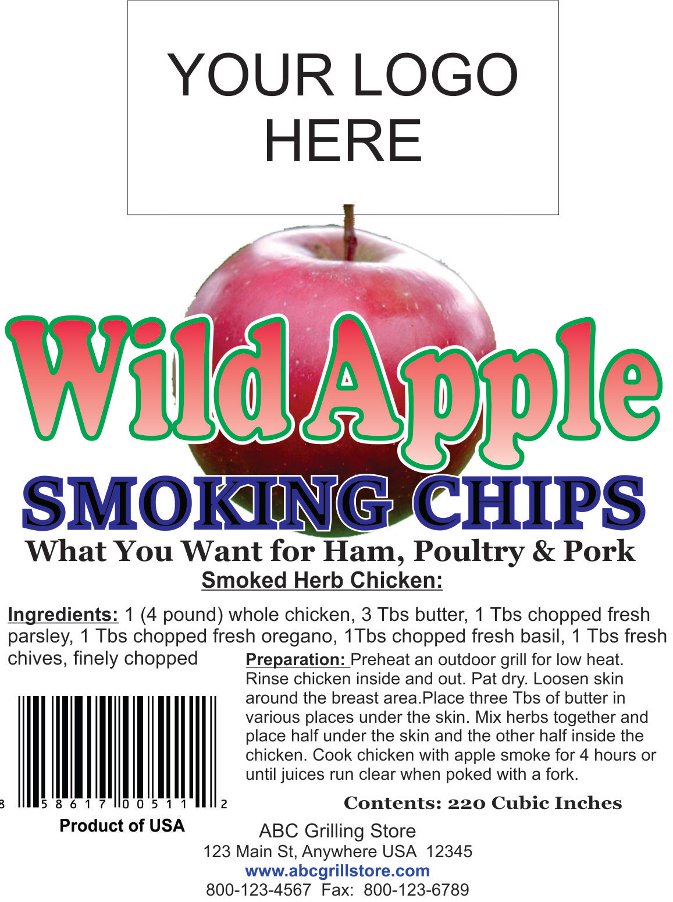
Our Private Label Program is designed for this kind of launch. Send us your logo and the products you want under your brand, and we will produce the artwork for you free of charge, along with the specs and suppliers you need. You order from our wholesale lineup, then package under your own label once products arrive.
Once your first line is live, track which products sell and which customers return. Use that data to decide which products to brand next and whether private label development makes sense for your best sellers.
Frequently Asked Questions
What brands use white label grilling accessories?
Retailers, specialty grilling shops, restaurants, e-commerce stores and culinary brands commonly use white label grilling accessories to sell products under their own name. The model suits any business that wants a branded product line without designing or manufacturing the items itself. Flame Grilling Products works with retailers and private label brand owners who want branded grilling woods and accessories, supplying products that the brand then packages under its own label.
What is the difference between white label and private label grilling products?
White label products are generic items made by a supplier and sold to many brands, which then add their own label. Private label products are made to a brand's specifications, often with exclusive formulations or designs. For most grilling accessory brands, the practical difference is how much control they have over the product itself. Flame Grilling Products' Private Label Program lets retailers add their own logo and packaging to wholesale grilling woods and accessories, with artwork produced free of charge.
How do brands choose a white label BBQ supplier?
Start by checking whether the supplier has a verifiable production history and handles fulfillment reliably. Ask about lead times, whether they ship direct to end customers, and how they control packaging quality. Confirm minimum order quantities and whether you can start small to test demand. Request product specifications and sourcing details, since materials such as cedar planks and wood chips vary in origin and quality. Flame Grilling Products has been family-owned since 2001 and offers a dropship program for businesses.
What are some unique grilling accessories to sell?
Specialty items such as cedar planks or Maine Yellow Alder chips can give a brand a distinct product story. Flame Grilling Products offers Maine Yellow Alder grilling chips from $84.99 for a 10 lb box and Northern White Cedar planks from $74.99 for a 70-count pack.
Can grilling accessories be shipped directly to customers under a brand's name?
Yes, through a dropship program, the supplier ships orders directly to the brand's customers, so the brand never handles inventory or shipping. Packaging is an important consideration when shipping orders to customers. Flame Grilling Products' Private Label Program is designed for this: brands take wholesale products and package them under their own label before sending them to customers.
